


Financial industries are already widely adopting AI due to its significant cost-saving potential.
Knowledge and skills in AI are also increasingly in demand by financial companies as they strive to stay competitive.
Let’s look at some stats of how AI is transforming the financial industry, and how companies are finding innovative ways of this technology!
On this page
- Key AI Finance Statistics: Editor’s Choice
- The Global AI in Finance Market Is Predicted to Reach $249.53 Billion by 2032, at a 34.3% CAGR
- AI Adoption in The Finance Services Industry
- Obstacles to AI Adoption
- Benefits of AI For The Finance Industry
- AI in The Banking Industry Statistics
- Case Study: BBVA Incorporates AI-based Facial Recognition Technology
- Final Thoughts
Key AI Finance Statistics: Editor’s Choice
1. 68% of finance organizations are using AI or planning to.
2. 39% of finance leaders are already using AI.
3. Early adopters in AI are predicted to have a 600 bps rise in revenue growth, in the next three years.
4. A majority of the executives surveyed (62%) in the DACH region consider AI to be a fairly important or very important innovation.
5. 51% of respondents from financial institutions strongly agree that AI is important for their company’s future success.
The Global AI in Finance Market Is Predicted to Reach $249.53 Billion by 2032, at a 34.3% CAGR
Here are some more introductory stats on how AI is being heavily invested in by the finance industry, according to Verified Market Research :
- The finance sector has one of the highest adoption rates of AI
- This sector has also invested around $35 billion into AI in 2023
- 40%+ of financial institutions use generative AI
It’s quite likely that financial firms consider AI to be a tool for unlocking new opportunities for expansive growth.
Yet, are there risks when dealing with technology that a lot of people aren’t previously familiar with?
There are concerns about AI causing market crashes, or even sparking a financial crisis, as mentioned by the US Securities and Exchange Commission Chair.
AI Could Spark a Financial Crisis, According to US Securities and Exchange Commission Chair Gary Gensler
Along with the potential for new opportunities, AI also comes with unseen risks, including that of a financial crisis. (IMF, 2023)
62% of Surveyed Executives Consider AI to Be a Fairly Important or Very Important Innovation
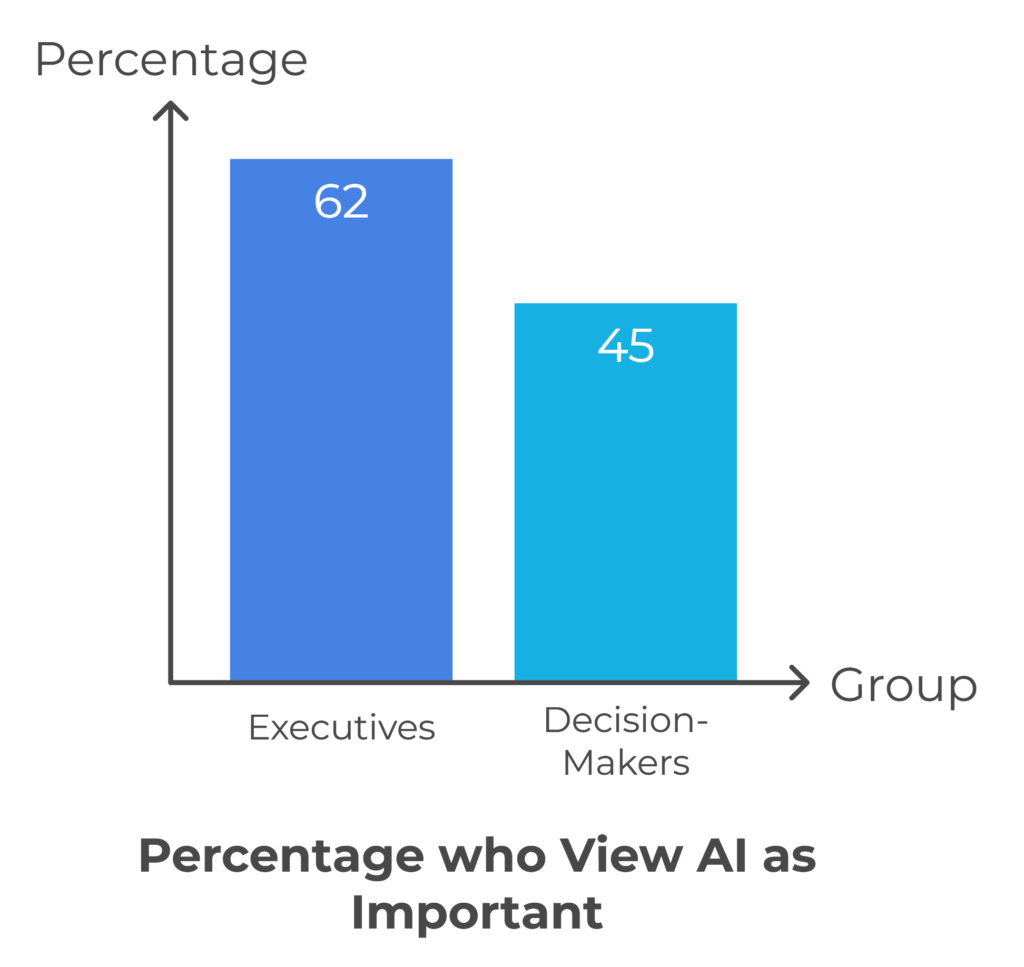
Overall, 45% of decision-makers, in the survey taken in the DACH region, consider AI important. (PWC, 2020)
AI Adoption in The Finance Services Industry
There’s quite a huge demand for AI talent in the finance industry as AI adoption is slowly being incorporated.
How are major companies tackling this rise in AI?
A lot of AI tools are already being used by major financial companies such as JP Morgan, in areas like predictive analytics and portfolio management.
PwC, one of the Big Four accounting firms, recently partnered with OpenAI and has also become the latter’s biggest customer. (CFO, 2024)
39% of Organizations Currently Use AI in The Finance Function
A 2023 survey of 133 finance leaders by Gartner showed that 39% currently use AI. (Gartner, 2023)
How Many Financial Services Use AI?
There is quite a huge demand for AI as well as data scientists who know how to use it in finance, and a lot of organizations are already implementing AI tools.
According to a report by Nvidia, 75% of financial service organizations consider their AI implementation to be industry-tier or middle of the pack.
| How would you rate your company’s AI capabilities? (excluding China) | All respondents | Management | Non-management |
|---|---|---|---|
| Industry-leading | 25% | 30% | 20% |
| Middle of the pack | 50% | 46% | 55% |
| Industry laggard | 24% | 24% | 24% |
Let’s look at the current use cases of AI:
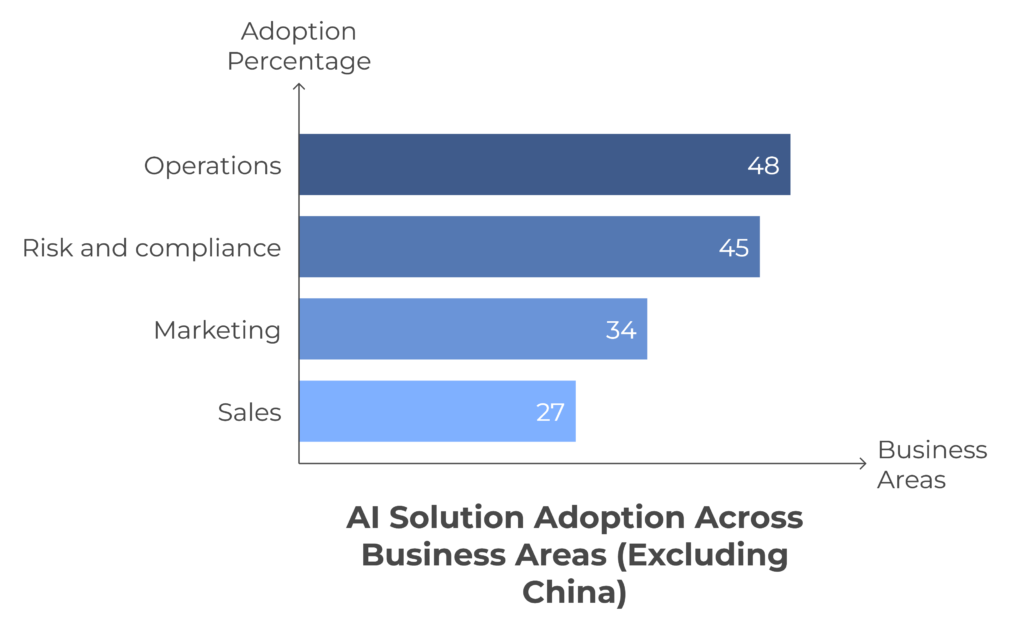
Operations is the number one use case according to the report, with 48% of financial organizations using it.
This is followed by risk and compliance at 45%, marketing at 34%, and finally sales at 27%.
Here are the responses about which AI workloads the companies use right now:
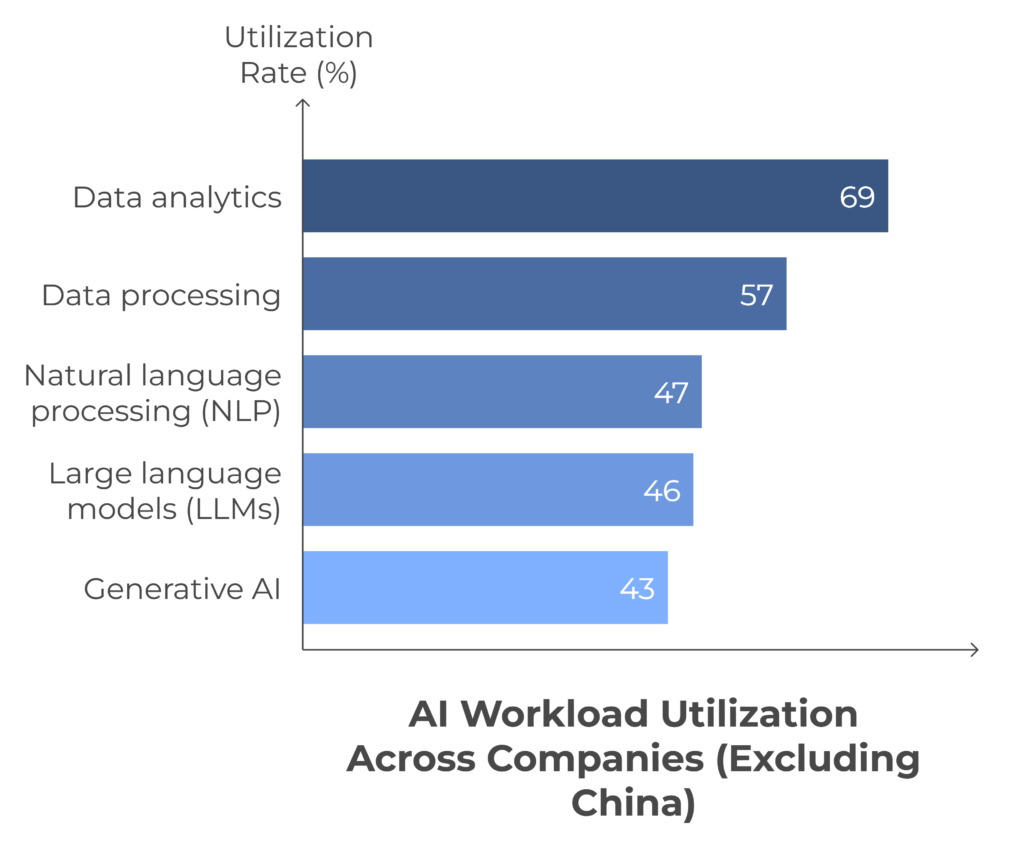
When it comes to AI workloads, data analytics leads at 69%, followed by data processing at 57%.
Looking ahead, let’s look at how companies think that AI will help them in the future.
51% of Respondents Strongly Agree That AI Is Important to Their Company’s Success
This is a 29% jump from the previous year (2022).
The table details how the respondents feel about AI’s future impact:
| AI is important to my company’s future success. (excluding China) | 2023 | 2022 |
|---|---|---|
| Strongly agree | 51% | 29% |
| Neutral | 12% | 27% |
| Strongly disagree | 3% | 4% |
68% of Finance Organizations Are Using AI or Planning To
Along with the previous 39% who use AI, an additional 29% said they plan to use AI in the future. (Gartner, 2023)
99% of Financial Services Leaders Reported That Their Organizations Were Deploying AI
All respondents in this EY survey said they were using generative AI in some capacity or planning to. (EY, 2023)
Insurance ranked highest in the sectors that were skeptical of the benefits of AI (24%), while the lowest level of skepticism was in banking and asset management (17%). (EY, 2023)
There Is a War for AI Talent in Financial Services
Alexandra Mousavizadeh, founder of Evident Insights, says “There’s a war for talent.” She goes on, “Making sure you are ahead of it now is life and death.” (IMF, 2023)
Obstacles to AI Adoption
What are the obstacles preventing financial industries from adopting AI?
They are mostly a lack of data, budget constraints, and a dearth of expertise in the field of AI.
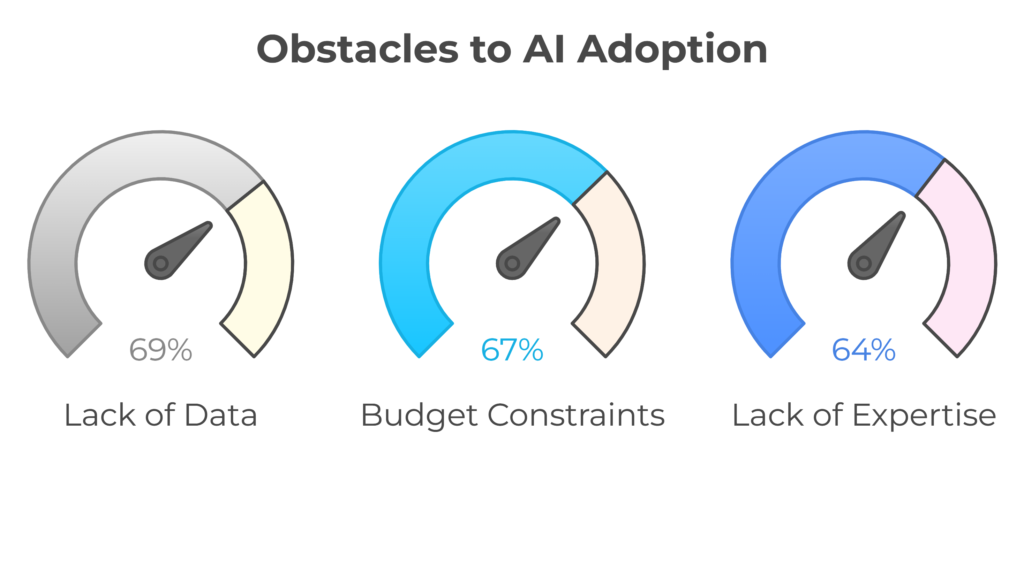
69% of Executives Surveyed Identified Lack of Data as an Obstacle to AI Adoption
The industry needs to adapt to a culture of sharing data instead of a data-hoarding one, which would benefit everyone. (PWC, 2020)
A lot of data collected data by the FDS remains untouched, while data lakes exist the data in them are unstructured and require sorting. (PWC, 2020)
Another 67% Said They Were Struggling with Budget Constraints
Investment in AI projects is quite low, especially in the DACH countries. In the average IT project, around 7% is allocated to AI. (PWC, 2020)
64% of Companies Lacked Employees with Expertise
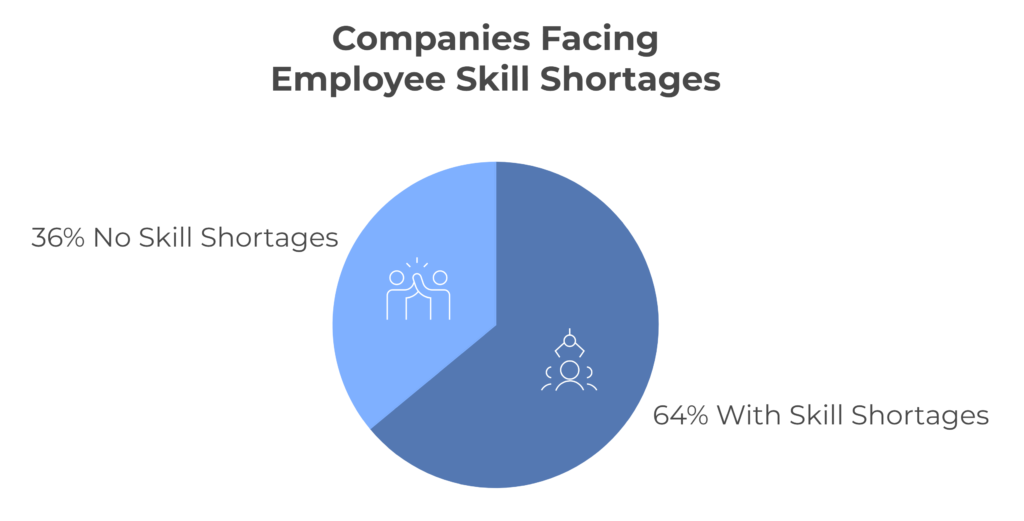
The biggest barrier to adopting AI is a lack of domain experience.
Expert-level skills in AI are rare, and companies are fiercely competing for the best talent. (PWC, 2020)
Benefits of AI For The Finance Industry
What are the benefits that companies have realized after adopting AI?
Real-world examples of these include reduced costs, automation that reduces tedious bank work, and revenue growth.
Let’s dig deeper into the numbers and see how AI is providing tangible value to the finance industry.
Organizations with a High Level of AI Acceptance Report a High Level of Success
AI-driven systems require guidance from experts in the domain, which is why large-scale acceptance of AI in the organization is beneficial. (Gartner, 2023)
Here is an explanatory video that sheds light on this topic, from Gartner: Gartner Experts on AI in finance.
AI Can Reduce the Operational Costs to Banks by Around $900 Million
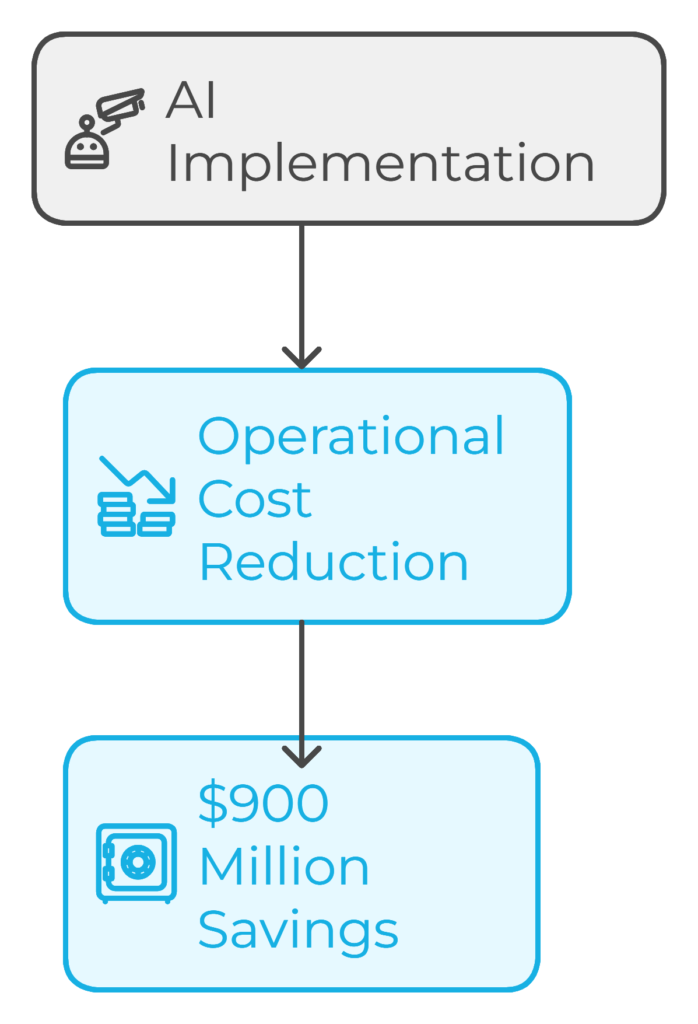
As per a study by Juniper Research, AI can reduce operational costs incurred by banks and save an estimated 29 million digital onboarding hours. (Juniper Research, 2023)
Early Adopters in AI Are Predicted to Have 600 Bps Rise in Revenue Growth
As per Accenture, early adopters have a 600 bps, or equivalently a 6% rise, in revenue growth in the next 3 years. (Accenture, 2024)
AI in The Banking Industry Statistics
What Are the Key Factors for Successful Adoption of AI in Banking?
According to a study by Accenture, here are the key factors for Gen AI adoption, according to banks:
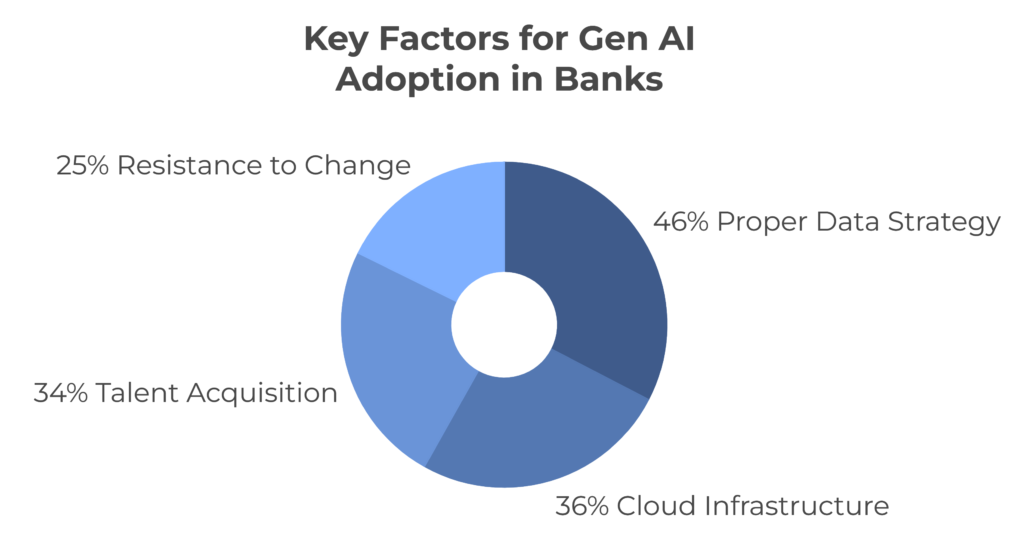
- Almost half (46%) think proper data strategy is important for the success of AI adoption
- 36% of banks think that cloud infrastructure should be prioritized
- 34% believe talent acquisition matters
- 25% think that worker’s innate resistance to change could also be a hindrance to AI adaptation
Regarding the most important areas fields that AI could benefit, here is an excerpt from a study conducted by PWC in the DACH region:
79% of Executives Surveyed Wanted to Make Their Digital Processes More Efficient
Around 73% wanted to use AI to cut costs, and 50% wanted AI to help them comply with regulations.
55% of Those Surveyed Are Already Using AI Tools in Different Areas, Chatbots Being One Such Example
Yet, many AI application areas remain unexplored. These include intelligent data analysis.
Data-sharing practices between companies would improve their AI models. It would help them assess risks better.
AI Implementation in Banking for Fraud Detection Could Save Costs of Up to $10.4 Billion Globally in 2027
Juniper Research says AI-based fraud prevention has a better ROI than current methods. (Juniper Research, 2022)
Among the largest banks in the Americas and Europe, JPMorgan Chase leads in AI adoption, followed by Capital One, and the Royal Bank of Canada. (Evident AI Index, 2024)
Case Study: BBVA Incorporates AI-based Facial Recognition Technology
As per a report by Accenture:
BBVA has set itself apart by offering new services. These include digital banking products and tools to promote financial health.
BBVA can also offer ‘one-click loans,’ which potentially provide funding on the same day.
They can onboard customers extremely fast-reportedly in just a few minutes.
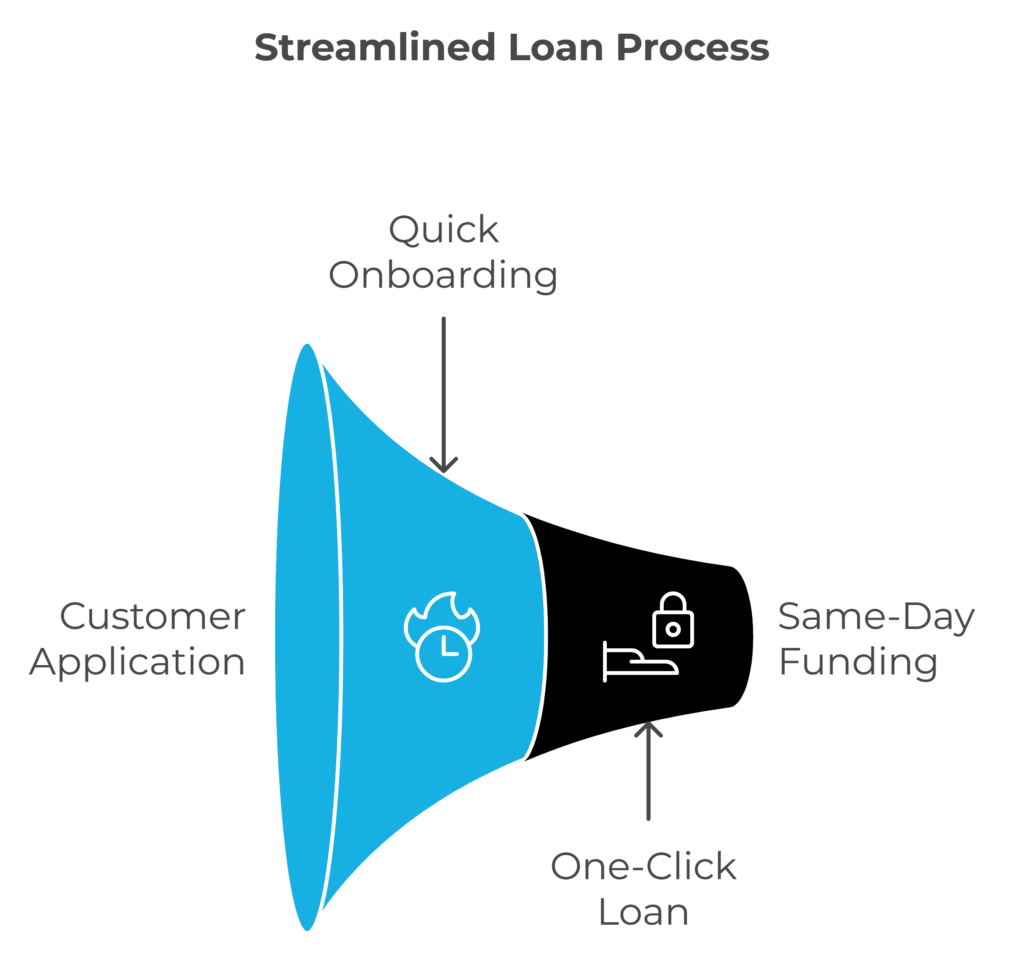
Their AI-based facial recognition and text-analysis tech speeds up onboarding by quickly verifying customers.
The quick onboarding of customers has contributed to a 117% growth in new customers.
In 2024, BBVA has nearly 50 million customers, and Its cost-to-income has dropped to 43%.
Final Thoughts
As threats like AI-related cybercrime grow, so does the need for AI fraud detection.
AI can enhance the customer experience. It can provide faster loans, save companies billions, and drive growth if used well.
The road ahead is tricky. It must align AI with the company’s goals and avoid risks. It requires skill and caution. (McKinsey, 2024)

About the author
Editorial Staff
The Editorial Staff at Bot Memo is a team of writers, analysts, and AI agents dedicated to mapping the global AI startup ecosystem. Led by Chintan Zalani, the team tracks thousands of funding rounds, classifies companies across verticals, and distills it all into actionable intelligence for investors and founders.